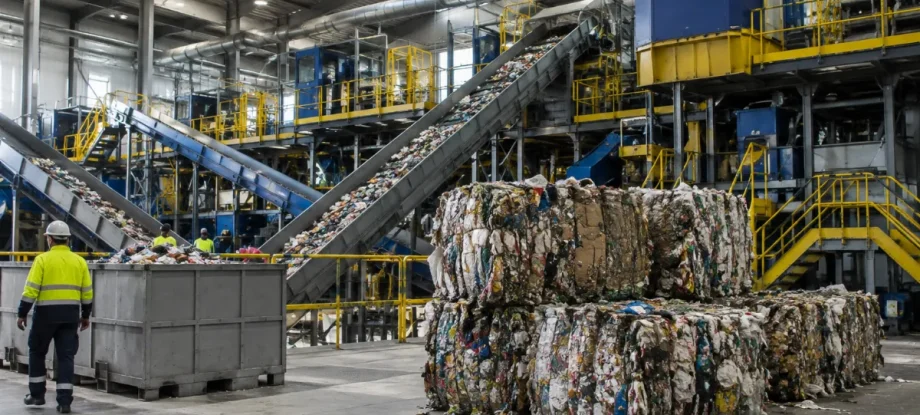
A material recovery facility is the operational core of modern waste management, turning mixed municipal and industrial refuse into profitable, market-ready secondary raw materials. Plant operators rely on these facilities to separate valuable fractions and compact them into high-density bales that guarantee optimal truck payloads. Before evaluating the heavy machinery that creates the final product, operators must understand the 6 types of sorting systems that determine the quality of the...Continue Reading
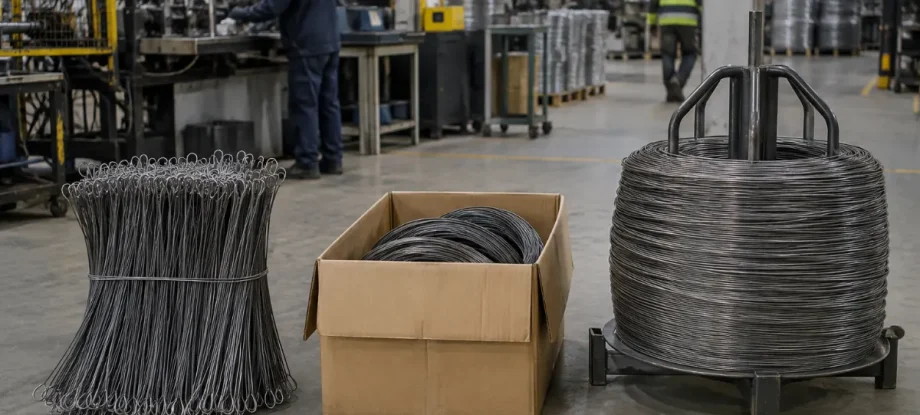
Choosing between single loop bale ties, box wire and stem coil directly influences the uptime, labour requirements and consumable costs of any recycling facility. The decision between these pre-cut lengths, boxed coils or heavy-duty carriers rests entirely on the design of the compaction equipment and the required throughput per shift. For a broader overview of material grades, gauges and tensile strengths, explore our complete baling wire guide. Facility managers evaluating...Continue Reading
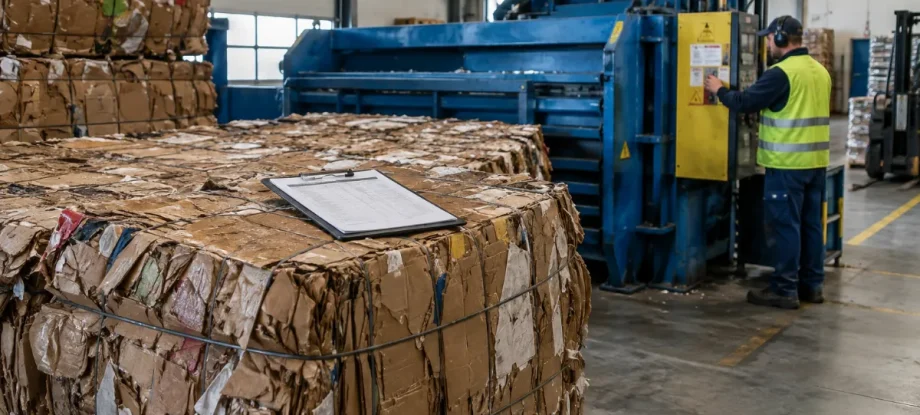
Evaluating cardboard baler cost goes far beyond checking the initial purchase price on a supplier’s quotation. Facility managers and recycling plant operators often focus heavily on the capital expenditure (Capex), ignoring the long-term operational expenses (Opex) that dictate the true financial impact of the machinery. To understand the actual financial commitment, operators must analyse energy consumption, wire usage, labour hours, and maintenance requirements over the machine’s entire lifecycle. At ANIS...Continue Reading
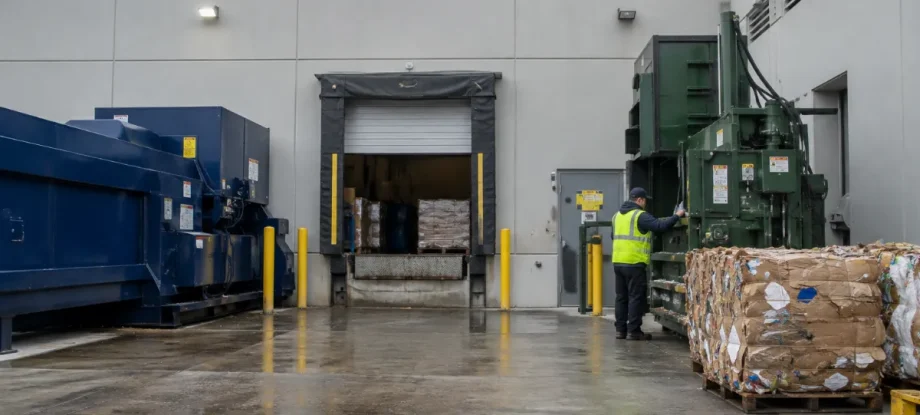
The baler vs compactor decision determines whether your facility pays to dispose of waste or earns revenue from secondary raw materials. A compactor crushes mixed refuse into a closed container to reduce the frequency of waste collection trucks visiting your site. A baler, conversely, presses sorted, clean recyclables into dense, tied blocks that you can sell directly to paper mills or plastic recyclers. Making the wrong choice usually results in...Continue Reading
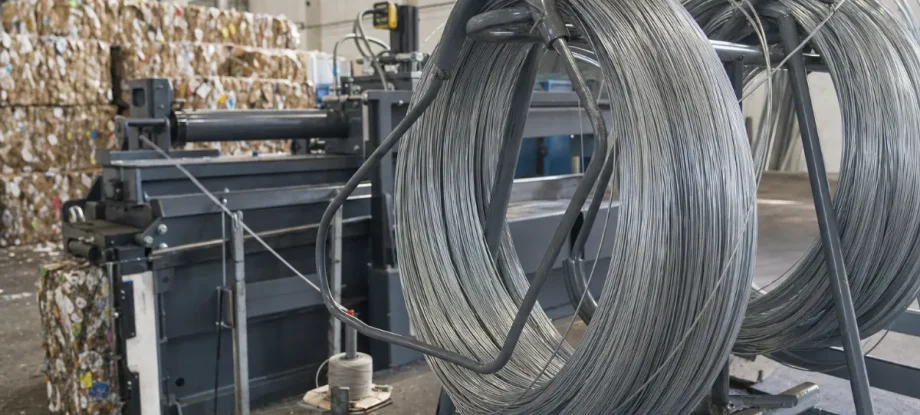
Baling wire secures highly compressed recyclable materials into dense, stackable blocks for transport and processing. Selecting the right wire ensures the bale remains intact from the processing facility to the final buyer, preventing costly material loss or rejection at the mill. Understanding the relationship between waste fractions, compaction force, and tying consumables is essential for any modern recycling operation. If you observe how a baler works, the tying phase acts...Continue Reading