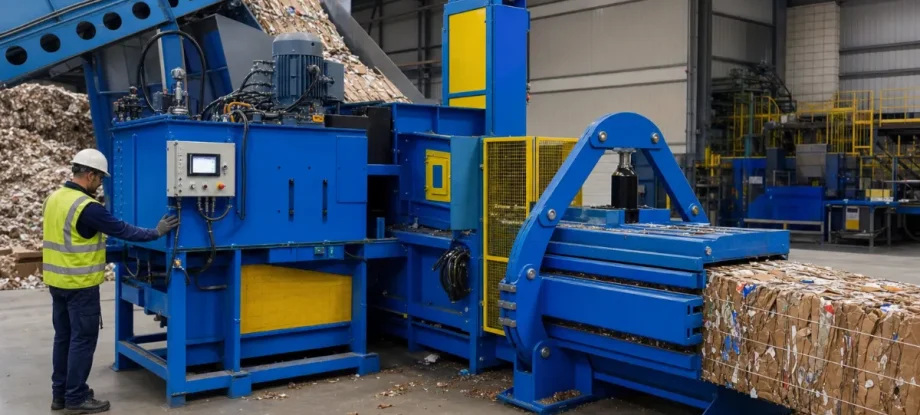
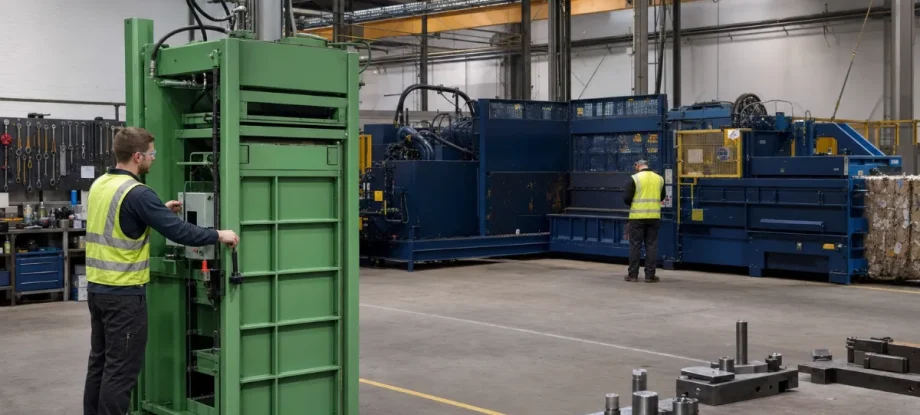
As we navigate the industrial landscape of 2026, waste management regulations across the European Union continue to tighten. For facility managers and scrap yard owners, the challenge is no longer just about disposal; it is about resource recovery. Loose scrap metal consumes valuable space and results in “shipping air,” which drives up logistics costs significantly. A high-performance scrap metal baler acts as the critical bridge between raw waste and revenue...Continue Reading
Industrial metal recycling is no longer just a regulatory obligation or an environmental gesture. It has evolved into a sophisticated, highly competitive sector where operational efficiency dictates survival. For facility managers and recycling plant operators, the difference between profit and loss often lies in logistics. We understand that turning loose scrap into high-density commodities is the only way to secure margins in a fluctuating market. With the right setup, including...Continue Reading
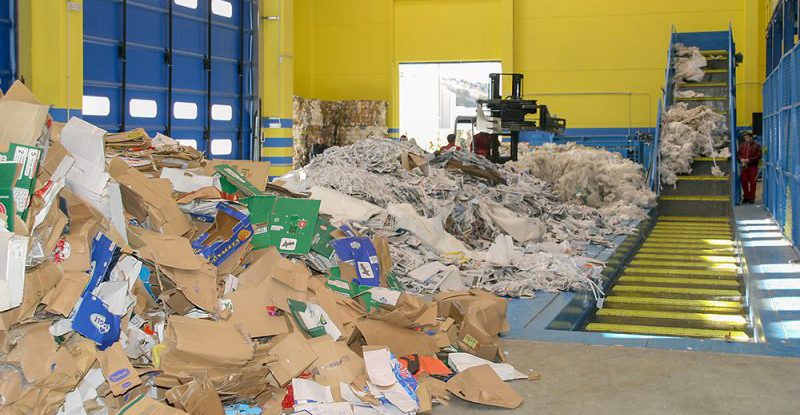
Managing waste paper is rarely as straightforward as handling cardboard. While cardboard boxes are bulky but relatively easy to crush, paper presents a unique set of logistical challenges. Whether it is trim from a printing press, shredded confidential documents, or glossy magazines, loose paper behaves like a fluid. It slides, expands, and creates significant bottlenecks in production environments. Loose paper waste creates significant logistical bottlenecks if not managed quickly. At...Continue Reading
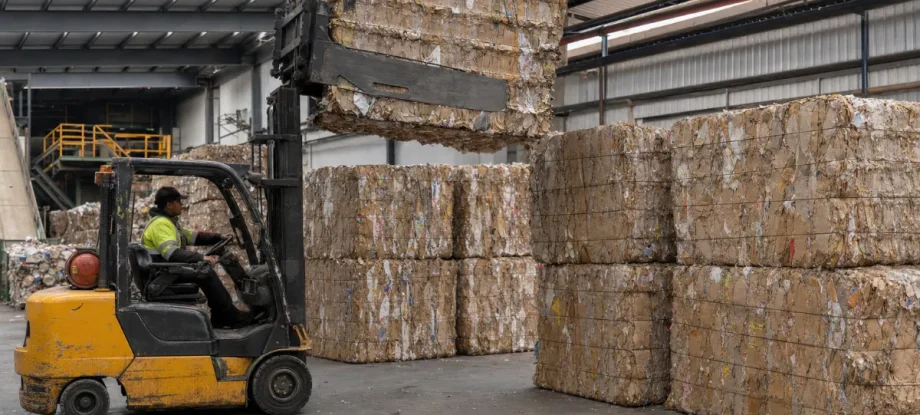
Every day, industrial facilities across the globe hemorrhage money through a single, often overlooked channel: their loading docks. When waste cardboard and paper are tossed loosely into a skip or a standard container, businesses are essentially paying logistics companies to transport air. In an era where supply chain efficiency is scrutinized to the decimal point, industrial waste logistics remains one of the last frontiers for significant cost reduction. At ANIS...Continue Reading
Every square meter of a retail environment is real estate that should generate revenue, not store trash. In the fast-paced world of supermarkets and retail chains, the volume of packaging material generated daily can be overwhelming. Efficiently handling this influx of cardboard and plastic is not just a logistical necessity; it is a critical component of operational profitability. For a broader overview of machinery options across different sectors, we invite...Continue Reading