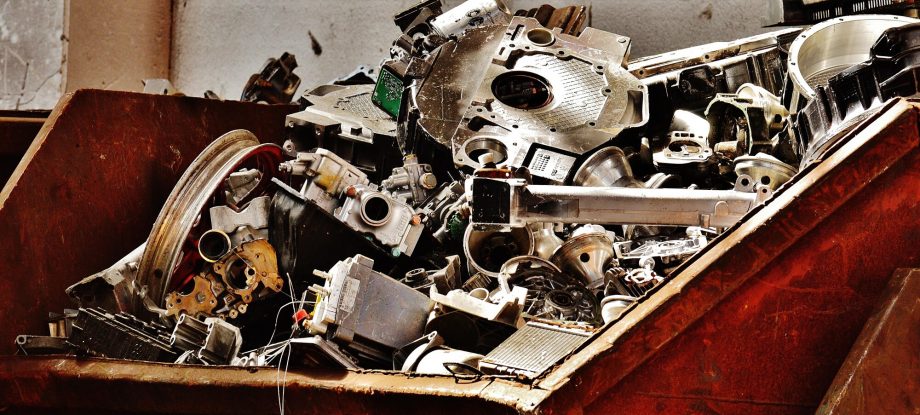
To dispose of scrap metal responsibly, a business should find where the metal comes from, sort it into ferrous and non-ferrous streams, then send each stream to the right outlet: a manufacturer take-back scheme for electronics, a local scrap yard or recycler for mixed loads, or an in-house baler once volumes get high. Sending scrap to landfill throws away a valuable, recyclable resource and can put you on the wrong...Continue Reading
Most household recycling programs accept four core groups of materials: paper and cardboard, certain plastics, glass bottles and jars, and metals such as aluminium and steel. Many programs also take organic waste and textiles through separate collections. Whether a specific item is recyclable comes down to three things: the technology to reprocess it, a buyer for the recovered material, and economics that make recovery worthwhile. Rules also vary by location,...Continue Reading
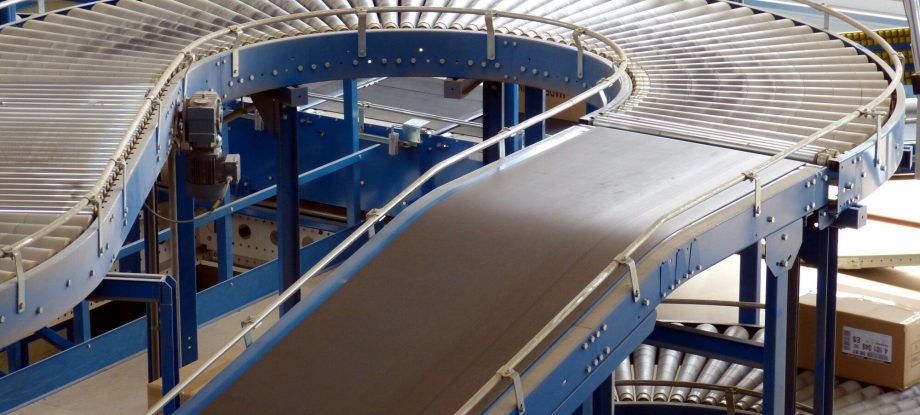
A conveyor belt system is built from seven core parts: the belt, the motor, pulleys, rollers, bearings, brakes and the frame. The belt carries the load, the motor and pulleys drive it, rollers and bearings keep everything moving with minimal friction, brakes control speed and stopping, and the frame holds the whole assembly together. Supporting parts such as idlers, take-up units and belt cleaners keep the belt tracking straight and...Continue Reading
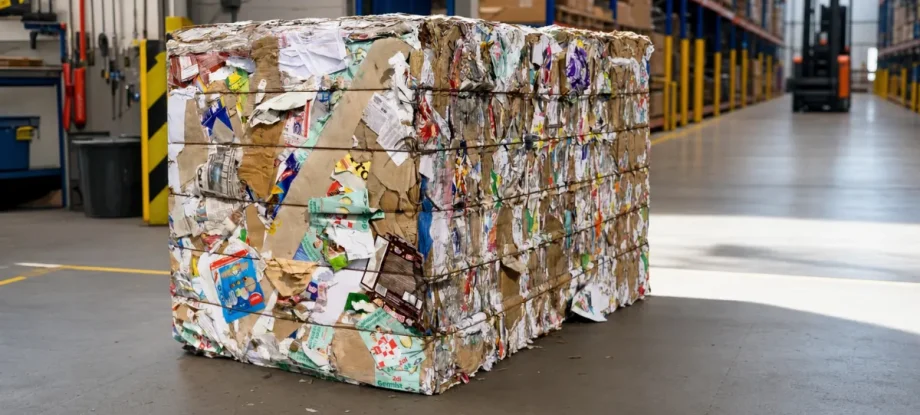
A sprawling manufacturing plant generates tonnes of loose packaging waste every single day, slowly turning valuable floor space into a highly inefficient storage zone. Logistics managers constantly face the challenge of removing this debris before it disrupts daily operations. An industrial baler machine solves this bottleneck entirely. Table of Contents ToggleWhat is an industrial baler machine used for?What is an industrial baler and how does it work?Types of balers comparedBaler...Continue Reading
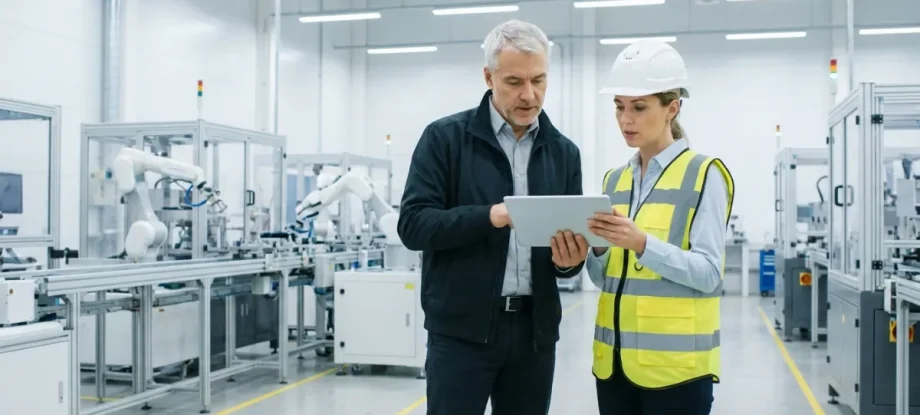
Operating a manufacturing plant or distribution center requires absolute precision to remain profitable. We recognize that industrial facility optimization is no longer merely a competitive advantage. It functions as a critical survival mechanism against continuous labor shortages, rising material costs, and unexpected supply chain disruptions. Achieving peak operational performance requires more than just buying faster machinery. True optimization rests on three foundational pillars: intelligent floor layouts, highly efficient storage systems,...Continue Reading