ensldees +386 (0) 1 837 00 20 [email protected]
Distributor login
  • English
  • Slovenščina
  • Deutsch
  • Español
ensldees +386 (0) 1 837 00 20 [email protected]
Distributor login
  • English
  • Slovenščina
  • Deutsch
  • Español
Certified
ISO9001
Service & Support
Trouble-shooting 24/7
350+ installations
around the world
Get A Quote

Blog

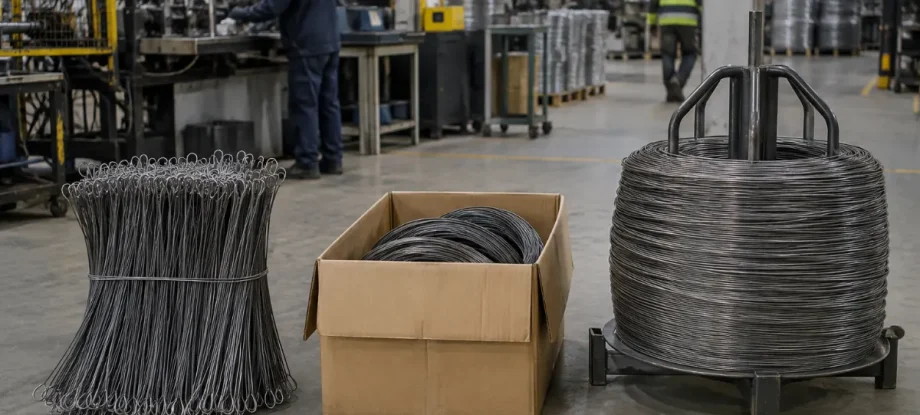
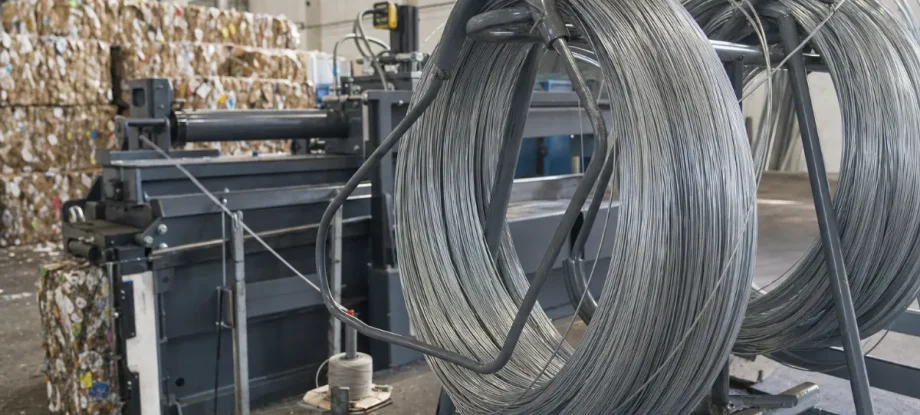
Coils of galvanized baling wire feeding a channel baling press
Baling wire secures highly compressed recyclable materials into dense, stackable blocks for transport and processing. Selecting the right wire ensures the bale remains intact from the processing facility to the final buyer, preventing costly material loss or rejection at the mill. Understanding the relationship between waste fractions, compaction force, and tying consumables is essential for any modern recycling operation. If you observe how a baler works, the tying phase acts...
Continue Reading
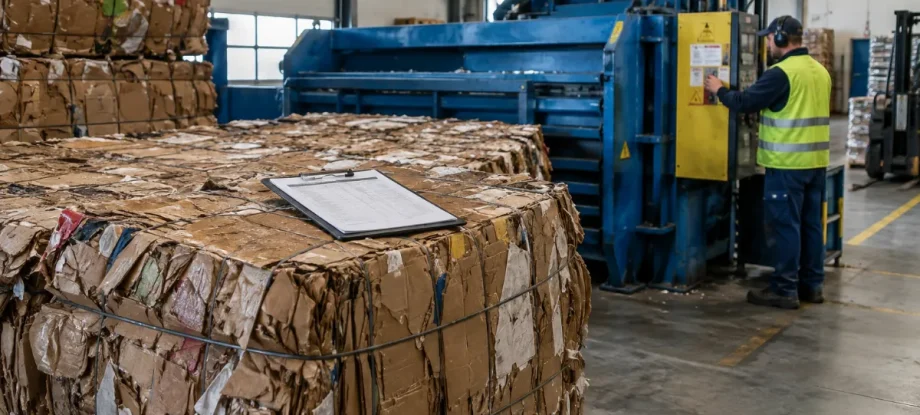
Industrial horizontal channel baling press in operation
A horizontal baler is a heavy-duty compaction machine designed to continuously process large volumes of loose waste materials into dense, stackable blocks for transport. Facilities handling significant daily tonnages rely on these systems to reduce landfill expenses, optimize truck payloads, and transform loose scrap into sellable commodities. Before analyzing complex throughput specifications and hydraulic configurations, understanding the foundational mechanics is necessary; you can review what is an industrial baler to...
Continue Reading
Measuring baling wire diameter with a steel wire gauge plate
Understanding the exact specifications of your tying materials prevents costly auto-tie jams and snapped bales at your recycling facility. The baling wire gauge dictates the physical thickness of the wire, determining the maximum expansion force your compacted multi-material bales can safely withstand during transport. This article builds on our comprehensive guide to baling wire selection to decode the precise measurements behind the numbers. Operating high-capacity MRF sorting lines requires strict...
Continue Reading
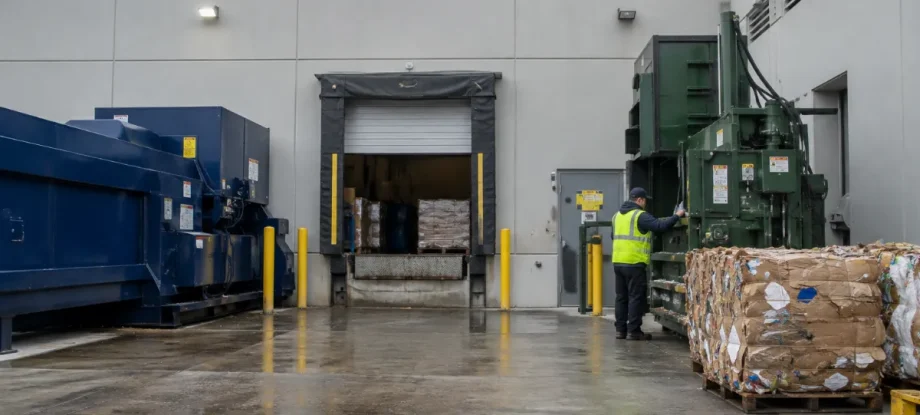
A vertical baler and a horizontal baling press in the same facility
Evaluating the transition point between manual and automated waste compaction requires looking beyond the initial purchase price. The true cost of a baling operation lies in recurring operator wages and transport logistics. Choosing between a horizontal vs vertical baler demands a precise financial analysis based on your specific monthly material volume, labor rates, and freight distances. For a broader look at machine specifications and capabilities, this analysis builds directly on...
Continue Reading
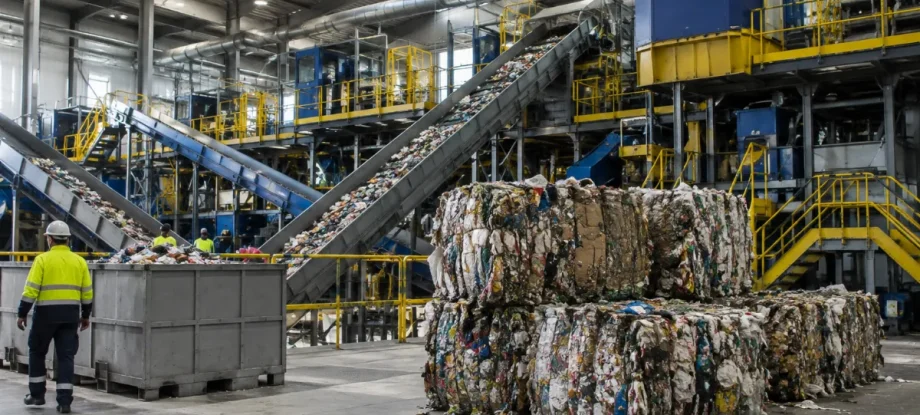
Sorting lines are very important in this kind of automated process.
You are standing in the middle of a material recovery facility looking at a 500-kilogram cardboard bale, only to realize a small amount of machine grease and a few hidden plastic layers have just downgraded the entire load from premium material to mixed waste. Knowing exactly how to prepare cardboard for baling determines whether recycling mills pay top market rates for your materials or reject the truckload entirely. Facility managers...
Continue Reading
1 2 3 27
anis-logo
Privacy Overview

This website uses cookies so that we can provide you with the best user experience possible. Cookie information is stored in your browser and performs functions such as recognising you when you return to our website and helping our team to understand which sections of the website you find most interesting and useful.