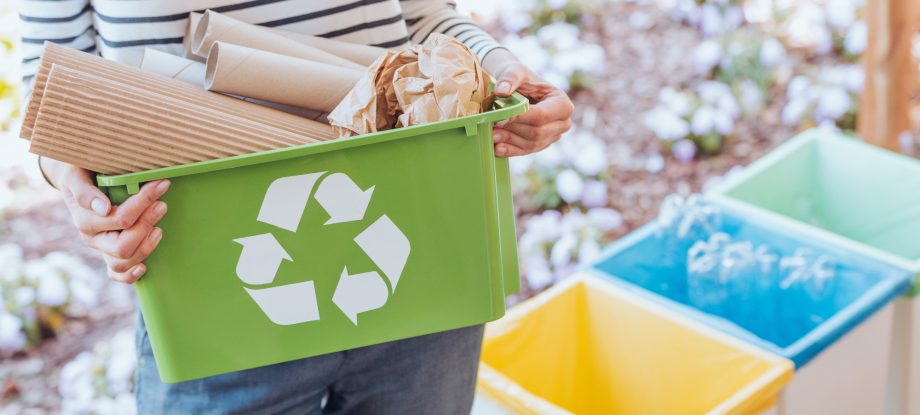
In 2017, the European Union set ambitious plastic packaging recycling goals: 50 per cent of plastic packaging by 2025 and 55 per cent by 2030. Whether these targets are achievable is a debate for another day. Nonetheless, companies across many sectors followed suit with their recycling commitments. If you’re one of those companies, you might be struggling with how to keep your recycling efforts organised and low cost. An efficient recycling baler...Continue Reading
The fashion industry is responsible for 10% of the world’s carbon emissions. The production of new fabrics is trashing our planet and causing environmental issues across the globe. Fashion is not helping the severe climate crisis we currently face. The production of new fashion items causes rivers and streams to become polluted and depletes local water sources. Fast fashion is also mainly produced in regions of the world that are not equipped to deal with the...Continue Reading
Choosing the right baler comes down to six key factors: the materials you process, the required throughput, the floor space available, your feeding and transport logistics, operator involvement, and your future growth plans. A correctly specified baler can reduce handling, improve transport efficiency and produce consistent bales that are easier to store, move and market. The wrong machine can become an expensive bottleneck that limits your operation for years. Table...Continue Reading
Did you know that according to 2017 figures, about 46% of municipal waste in the EU is recycled or composted? We use balers to minimise waste and compress recyclable materials. We compact these recyclable items into dense, more manageable bales for transporting recycled materials. Materials that are generally baled include aluminium, carton, paper, non-ferrous metals and all types of plastics. However, before you start baling materials, you must have an idea of the materials...Continue Reading