


Cardboard piles up fast in any operation that receives palletized or boxed goods. A cardboard compactor turns that loose, bulky waste into dense, stackable bales, which cuts storage clutter, lowers hauling costs, and can even earn a rebate from recyclers.
This guide explains what a cardboard compactor actually is, how it differs from a baler, and how to match the right machine to your volume so the equipment pays for itself instead of sitting idle.
Table of Contents
What is a cardboard compactor?
A cardboard compactor is a machine that compresses loose cardboard waste into dense, manageable blocks using a hydraulic ram. In most commercial settings the machine people call a “cardboard compactor” is in fact a cardboard baler: it presses old corrugated cardboard (OCC) into tied bales that are ready to sell or recycle.
The distinction matters for cost. A true waste compactor crushes mixed rubbish into a sealed container that a contractor hauls away for disposal, so you keep paying per collection. A baler produces clean, bound bales of a single material that recyclers buy, which turns cardboard from a disposal cost into a revenue stream. For a cardboard packaging company, baling is almost always the right process.
Cardboard compactor vs cardboard baler: which do you need?
Use a baler for clean, recyclable cardboard and a compactor only for genuinely mixed waste. Feeding clean cardboard into a general waste compactor is the most common and most expensive mistake, because it converts a material recyclers would pay for into landfill tonnage you pay to remove.
| Factor | Cardboard baler | Waste compactor |
|---|---|---|
| Output | Bound, single-material bales | Compacted mixed waste in a container |
| Where it goes | Recycler or paper mill | Landfill or disposal contractor |
| Economics | Can generate a rebate on OCC | You pay for disposal |
| Best for | Clean cardboard and recyclables | Contaminated, non-recyclable waste |
For companies that handle high volumes of clean cardboard packaging, a baler is the machine that keeps material in the recycling loop and off the disposal invoice. If you are unsure which your site needs, read compactor or baler.
Vertical vs horizontal balers
The right baler type depends on how much cardboard you generate. Vertical balers suit moderate volumes and tight floor space, while horizontal balers handle continuous, high-volume throughput.
A vertical baler loads from the front and presses cardboard downward with a hydraulic ram. It is the most affordable entry point, has a compact footprint, and fits retail stores, warehouses, and small manufacturing sites that produce a moderate stream of cardboard. Vertical balers need an operator to load and tie each bale, so labor per bale is higher.
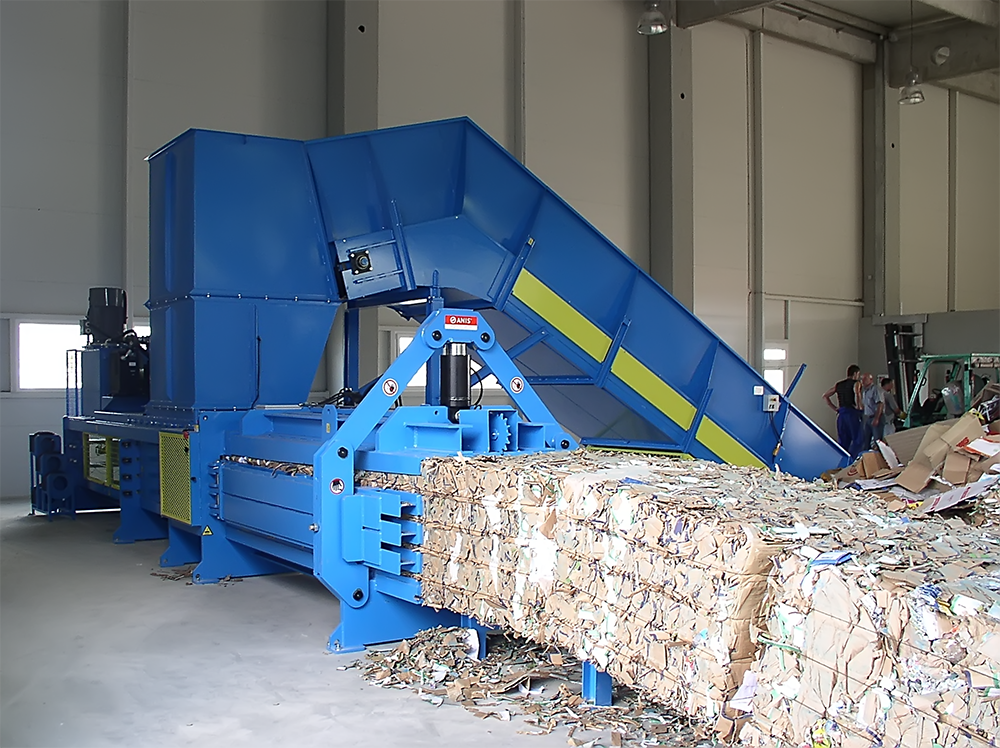
A horizontal baler feeds material continuously, often from a conveyor, and ejects bales automatically. It is built for industrial operations that run several tonnes of cardboard per day and need throughput more than a small footprint. The trade-offs are a larger installation and a higher purchase price.
| Vertical baler | Horizontal baler | |
|---|---|---|
| Typical volume | Moderate (roughly 5 to 20 bales per week) | High, continuous (tonnes per day) |
| Footprint | Compact | Large |
| Labor per bale | Higher, manual loading and tying | Lower, automatic ejection |
| Best fit | Retail, warehouses, small plants | Distribution centres, industrial lines |
Benefits of using a cardboard compactor
A cardboard compactor cuts waste volume, frees up storage space, and lowers disposal costs in one step. By compressing loose boxes into dense bales, it reduces the number of hauls a facility needs and shrinks the footprint that cardboard takes up on the floor.
The gains extend beyond storage. Compacted cardboard bales are safer to handle than loose piles, which reduces tripping and fire hazards on the shop floor. Baled OCC also fetches a better price from mills than loose boxes, so a machine that pays a disposal bill can instead reduce industrial solid waste and return value.
For packaging companies, the environmental case is just as strong. Keeping cardboard in a clean, single-material stream supports higher recycling rates and helps avoid common industrial recycling mistakes that contaminate otherwise valuable material.
How to choose the right cardboard compactor
Match the machine to your cardboard volume, available floor space, and how often you want to produce a bale. These three factors decide whether a vertical or horizontal baler is the economical choice, and everything else follows from them.
Before buying a commercial or industrial cardboard compactor, weigh the following:
- The volume of cardboard your site generates per day or week
- The floor space and ceiling height available for the machine
- Hydraulic ram force, which sets how dense and heavy each bale is
- Bale size and weight your recycler or hauler prefers
- Safety features such as interlocked guards and emergency stops (see the EPA guide to balers)
Bale weight is a useful planning number (see how much a bale weighs by material). Most commercial cardboard bales weigh between 200 and 500 kg (about 440 to 1,100 lb), depending on the material and the press force. Heavier, denser bales mean fewer collections and a better rate per tonne, which is why ram force is worth checking against your throughput rather than choosing on price alone.
Putting a cardboard compactor to work in your process
Getting value from a compactor starts with training and a clear routine. Operators need to know how to load the chamber safely, when to tie off a bale, and where compacted bales are stored before collection.

Consistent baling also opens a revenue path. Because mills pay for clean baled OCC, many packaging companies sell their bales to a recycler and recover part of the machine’s cost over time. Keeping cardboard separate from general waste is what protects that rebate and supports a circular flow of material.
Frequently asked questions
What is a cardboard compactor?
It is a hydraulic machine that compresses loose cardboard into dense blocks or bales. In commercial use it is usually a cardboard baler, which produces tied bales of old corrugated cardboard that are ready to recycle or sell.
What is the difference between a compactor and a baler?
A baler makes bound, single-material bales that a recycler buys, while a waste compactor crushes mixed rubbish into a container that goes to disposal. For clean cardboard, a baler is the machine that earns money rather than costs it.
How much does a cardboard bale weigh?
Most commercial cardboard bales weigh between 200 and 500 kg (about 440 to 1,100 lb). Higher ram force and denser material produce heavier bales, which reduces the number of collections you need.
Should I choose a vertical or horizontal baler?
Choose a vertical baler for moderate volumes and limited space, and a horizontal baler when you run continuous, high-volume operations and want automatic bale ejection with less manual labor.
Can you make money from baled cardboard?
Yes. Paper mills pay more for clean baled OCC than for loose boxes, so a baler can turn a disposal cost into a rebate, provided the cardboard stays free of contamination.
Invest in the right cardboard compactor for your business
A cardboard compactor pays back when it matches your volume: a vertical baler for moderate, space-constrained sites, a horizontal baler for continuous industrial throughput. Sized correctly, it lowers disposal costs, clears floor space, and keeps valuable OCC in the recycling stream.
For over 25 years, ANIS Trend has built customized baling presses and conveyors for every material and every application. As a family-run manufacturer, we help packaging companies choose equipment that fits their real production volume rather than a generic spec.
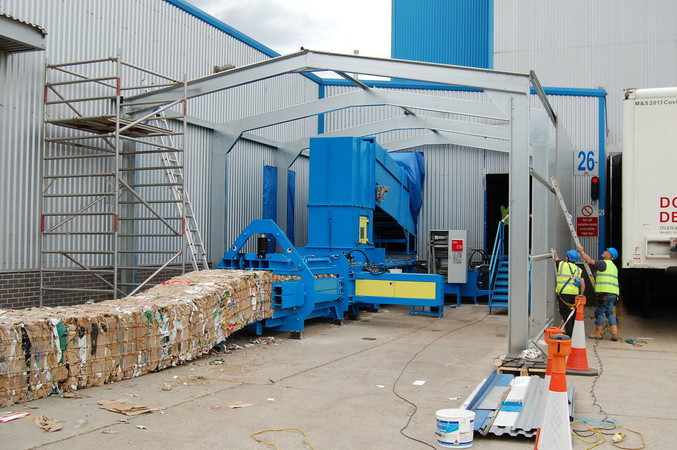
Contact us for a quote, explore our range of cardboard balers, and take the first step toward a leaner, more profitable cardboard workflow.